
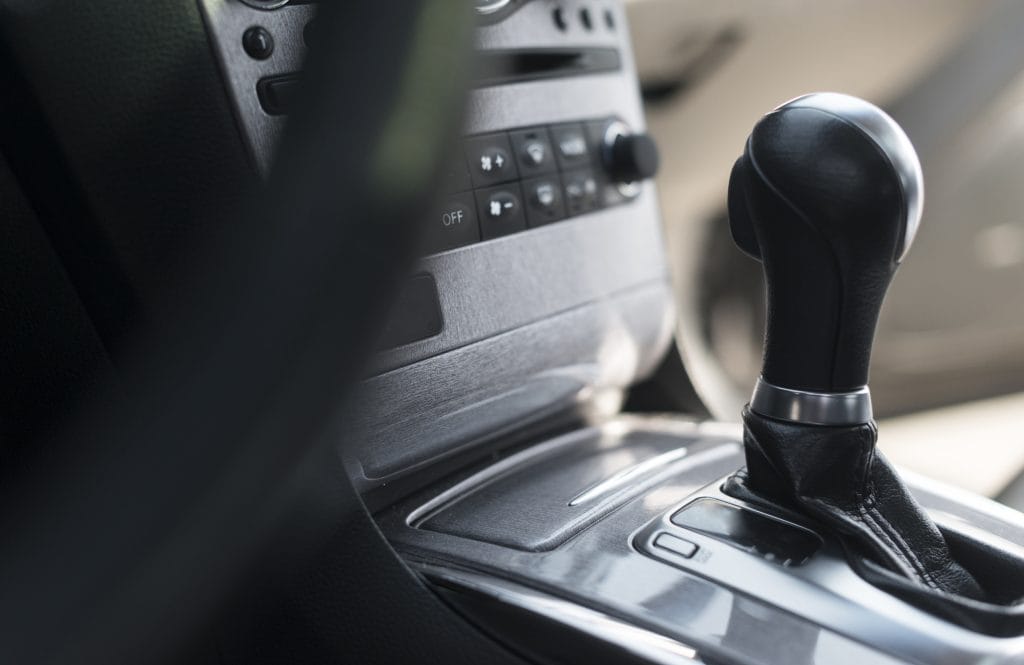
If your vehicle lurches or jerks when shifting gears, it can make driving uncomfortable and raise concerns about potential damage. Many drivers ask why their car jerks when changing gears, especially when the issue becomes more noticeable during acceleration or slowing down.
Smooth gear changes depend on proper coordination between the engine, transmission, and drivetrain. When one of these systems is not working correctly, the vehicle may jerk during gear shifts.
Understanding the causes can help you address the problem early and avoid more expensive repairs.
What Causes Jerking When Changing Gears?
Your transmission controls how power from the engine is delivered to the wheels. Whether you drive an automatic or manual vehicle, gear changes should be smooth and consistent.
Jerking occurs when there is a delay, irregular pressure, or miscommunication between components. This can be caused by mechanical wear, fluid issues, or electronic faults.
Drivers may notice jerking when accelerating, decelerating, or shifting between gears.
Common Reasons Your Car Jerks When Changing Gears
Low or Dirty Transmission Fluid
One of the most common causes of jerking is low or contaminated transmission fluid. This fluid lubricates internal components and helps maintain smooth gear shifts.
If the fluid level is low or the fluid becomes dirty, the transmission may not shift properly, resulting in jerking or delayed gear changes.
Worn Transmission Components
Over time, internal transmission parts such as clutches, bands, and gears can wear out. When these components degrade, gear changes may become rough or inconsistent.
This often leads to jerking during shifts, especially under load.
Faulty Transmission Control System
Modern vehicles use sensors and control modules to manage gear shifts. If a sensor sends incorrect data or the control module malfunctions, the transmission may shift at the wrong time.
This can cause sudden jerks or hesitation when changing gears.
Failing Fuel System Components
In some cases, jerking during gear changes may be related to engine performance rather than the transmission.
For example, issues with fuel delivery can cause hesitation during acceleration. Understanding **whether you can drive with a bad fuel pump can help identify problems that affect both engine and transmission performance.
Worn Spark Plugs or Ignition Issues
If the engine is not producing consistent power due to worn spark plugs or ignition problems, the vehicle may jerk when shifting gears.
This happens because the transmission relies on smooth engine output to perform clean gear changes.
AC System Load and Engine Strain
Sometimes, added engine load from other systems can affect how the vehicle performs during gear changes.
For example, if the AC system is struggling, it can place extra strain on the engine. Learning the signs your car AC needs a recharge can help you identify factors that may indirectly impact engine performance.
Signs Your Transmission Needs Inspection
Drivers experiencing jerking may also notice:
• Delayed gear engagement
• Rough or hard shifting
• Unusual noises during gear changes
• Slipping gears
• Check engine or transmission warning light
These signs indicate that your vehicle needs professional inspection.

Why You Should Not Ignore Jerking When Shifting
Ignoring jerking during gear changes can lead to more serious transmission damage. Small issues such as low fluid can develop into major mechanical failures if left unaddressed.
Early diagnosis helps maintain smooth performance and prevents costly repairs.
For drivers in Virginia Beach, where daily commuting and traffic conditions vary, maintaining a properly functioning transmission is essential.
How Mobile Mechanics Diagnose Gear Shifting Issues
Mobile mechanics can inspect your vehicle directly at your location, making it easier to diagnose the issue without visiting a repair shop.
During inspection, technicians may:
• Check transmission fluid levels and condition
• Scan the vehicle’s diagnostic system
• Inspect transmission components
• Evaluate engine performance
• Test sensors and control modules
These steps help determine the root cause of the jerking.
Benefits of Mobile Mechanic Services in Virginia Beach
If your car jerks when changing gears, the cause may involve low transmission fluid, worn components, faulty sensors, or engine-related issues. Because the transmission and engine work closely together, identifying the problem early is essential.
Professional diagnostics can help restore smooth shifting and reliable performance.
If your vehicle jerks during gear changes, professional inspection can help identify the problem quickly.
Mobile mechanic services in Virginia Beach provide convenient on-site diagnostics and repairs to restore smooth and reliable shifting.